Drawing by Oskar Schlemmer (1888 - 1943).
Preliminary sketch for ‘Figure Plan 1’.
C1919, Germany.
Painter, sculptor, choreographer and key figure of the Bauhaus, Oskar Schlemmer was one of the most important artists of the early 20th Century. He was appointed by Walter Gropius together with Paul Klee and Wassily Kandinsky as Master to the Bauhaus in Weimar and Dessau. It was here that his work redefined the relationship between the human body, geometry, and space. Best known for The Triadic Ballet and paintings such as Bauhaus Stairway, Schlemmer reduced the human figure to abstract, architectural forms that emphasized proportion, movement, and spatial harmony over individual expression. His interdisciplinary practice bridged visual art, performance and design - reflecting the Bauhaus ideal of unifying art and modern life.
After leaving the Bauhaus in 1929, Schlemmer entered a period marked by artistic isolation, political repression, and profound introspection. Deprived of institutional support and increasingly marginalized under National Socialist cultural policy, Schlemmer nonetheless continued to develop a highly distinctive body of work that deepened and quietly transformed his lifelong investigation of the human figure in space. By the time Hitler came to power in early 1933, it was clear that Schlemmer and the Bauhaus’ days were numbered. Labelled as ‘degenerate art’, the Nazi’s destroyed his artworks and Schlemmer’s paintings were removed from museums in Germany and mockingly displayed in The Nazi’s’ Degenerate Art (Entartete Kunst) exhibition of 1937. Ostracised and banned by the regime from working as an artist, he was forced to toil in paint factories. Not finding sponsors for a visa to migrate with his wife and three children to the United States, in despair he fell ill. Due to malnourishment and lack of proper treatment, Schlemmer passed away in April 1943 in Baden-Baden. Worn out by the struggle of supporting his family and utterly demoralised by the complete destruction of the world of art he had played such an important role in creating. His final diary entry, a line from the poet Rilke – to consider art not a piece plucked out of the world, but the complete and utter transformation of the world into pure glory.
Schlemmer’s works are held in major collections and museums around the world including The Museum of Modern Art, The Getty Museum, The Rijksmuseum and Centre Pompidou.
Housed in a period silver gilt frame with non reflective UV Museum glass.
Provenance
Kunsthaus Schaller Gallery, Stuttgart. Inventory number 12586.
Collection of Avent Garde Bauhaus photographer, Minya Diez-Dührkoop.
Private Collection Chiemsee, Germany.
Literature
Oskar Schlemmer, ‘Zeichnungen und Graphi’. Will Grohmann, Tut Schlemmer and Hatje Verlag.Stuttgart, 1965. Page 171, reference ZT 150 and ZT 151.
London collection or worldwide shipping available on all items. Please email beforehand for a quote, or select pick up at checkout.
Drawing by Oskar Schlemmer (1888 - 1943).
Preliminary sketch for ‘Figure Plan 1’.
C1919, Germany.
Painter, sculptor, choreographer and key figure of the Bauhaus, Oskar Schlemmer was one of the most important artists of the early 20th Century. He was appointed by Walter Gropius together with Paul Klee and Wassily Kandinsky as Master to the Bauhaus in Weimar and Dessau. It was here that his work redefined the relationship between the human body, geometry, and space. Best known for The Triadic Ballet and paintings such as Bauhaus Stairway, Schlemmer reduced the human figure to abstract, architectural forms that emphasized proportion, movement, and spatial harmony over individual expression. His interdisciplinary practice bridged visual art, performance and design - reflecting the Bauhaus ideal of unifying art and modern life.
After leaving the Bauhaus in 1929, Schlemmer entered a period marked by artistic isolation, political repression, and profound introspection. Deprived of institutional support and increasingly marginalized under National Socialist cultural policy, Schlemmer nonetheless continued to develop a highly distinctive body of work that deepened and quietly transformed his lifelong investigation of the human figure in space. By the time Hitler came to power in early 1933, it was clear that Schlemmer and the Bauhaus’ days were numbered. Labelled as ‘degenerate art’, the Nazi’s destroyed his artworks and Schlemmer’s paintings were removed from museums in Germany and mockingly displayed in The Nazi’s’ Degenerate Art (Entartete Kunst) exhibition of 1937. Ostracised and banned by the regime from working as an artist, he was forced to toil in paint factories. Not finding sponsors for a visa to migrate with his wife and three children to the United States, in despair he fell ill. Due to malnourishment and lack of proper treatment, Schlemmer passed away in April 1943 in Baden-Baden. Worn out by the struggle of supporting his family and utterly demoralised by the complete destruction of the world of art he had played such an important role in creating. His final diary entry, a line from the poet Rilke – to consider art not a piece plucked out of the world, but the complete and utter transformation of the world into pure glory.
Schlemmer’s works are held in major collections and museums around the world including The Museum of Modern Art, The Getty Museum, The Rijksmuseum and Centre Pompidou.
Housed in a period silver gilt frame with non reflective UV Museum glass.
Provenance
Kunsthaus Schaller Gallery, Stuttgart. Inventory number 12586.
Collection of Avent Garde Bauhaus photographer, Minya Diez-Dührkoop.
Private Collection Chiemsee, Germany.
Literature
Oskar Schlemmer, ‘Zeichnungen und Graphi’. Will Grohmann, Tut Schlemmer and Hatje Verlag.Stuttgart, 1965. Page 171, reference ZT 150 and ZT 151.
London collection or worldwide shipping available on all items. Please email beforehand for a quote, or select pick up at checkout.

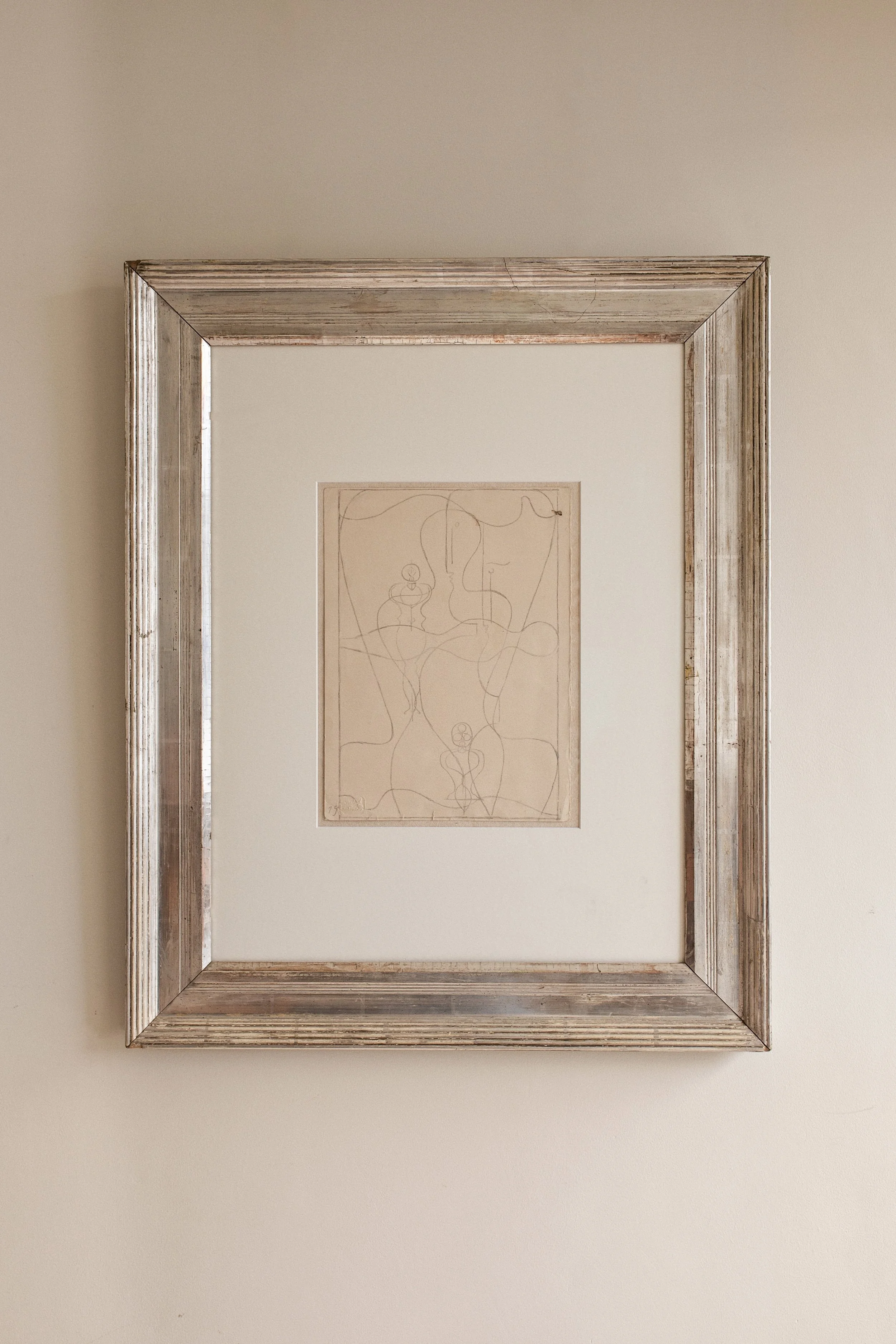 Image 1 of 8
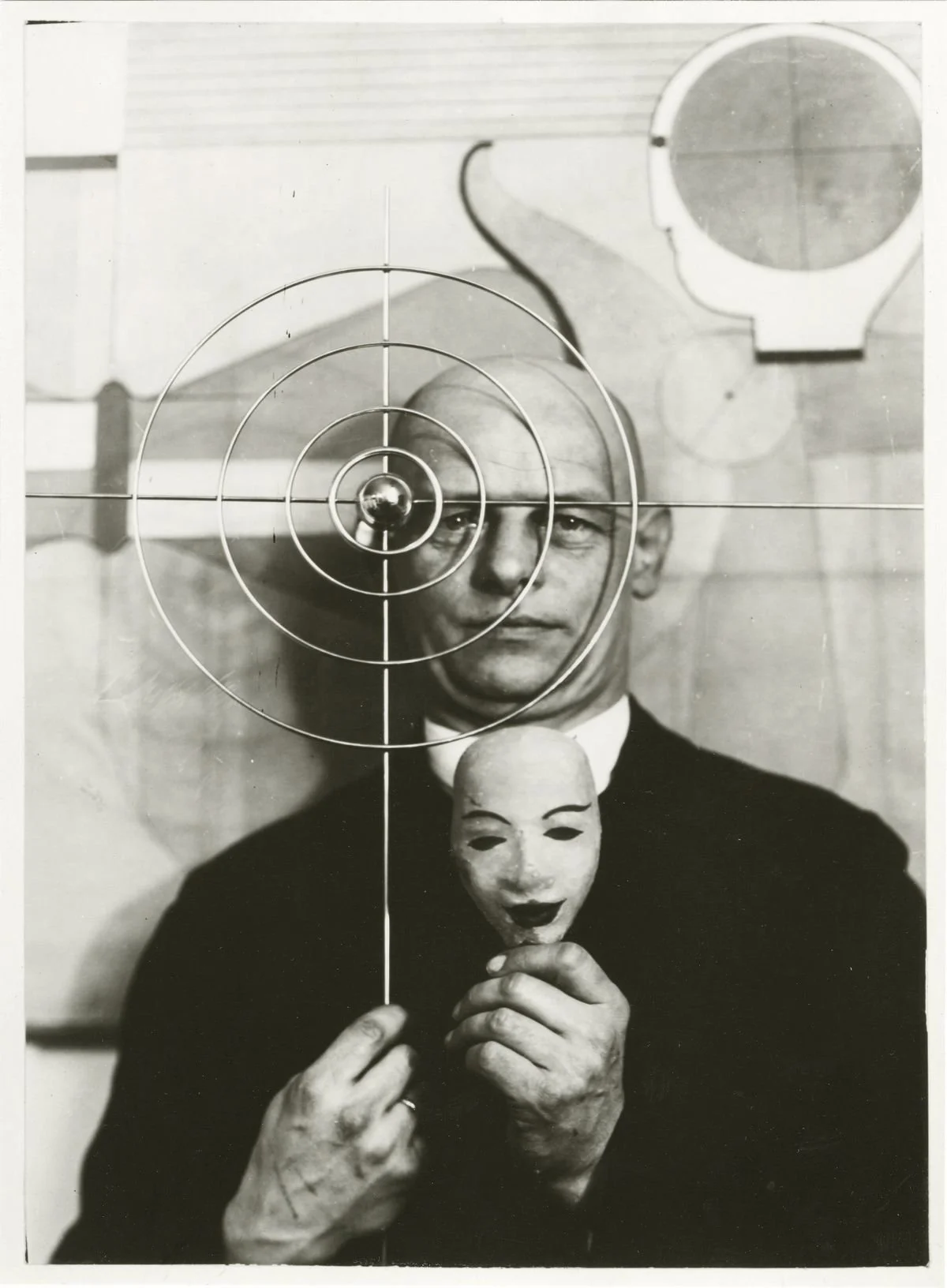 Image 2 of 8
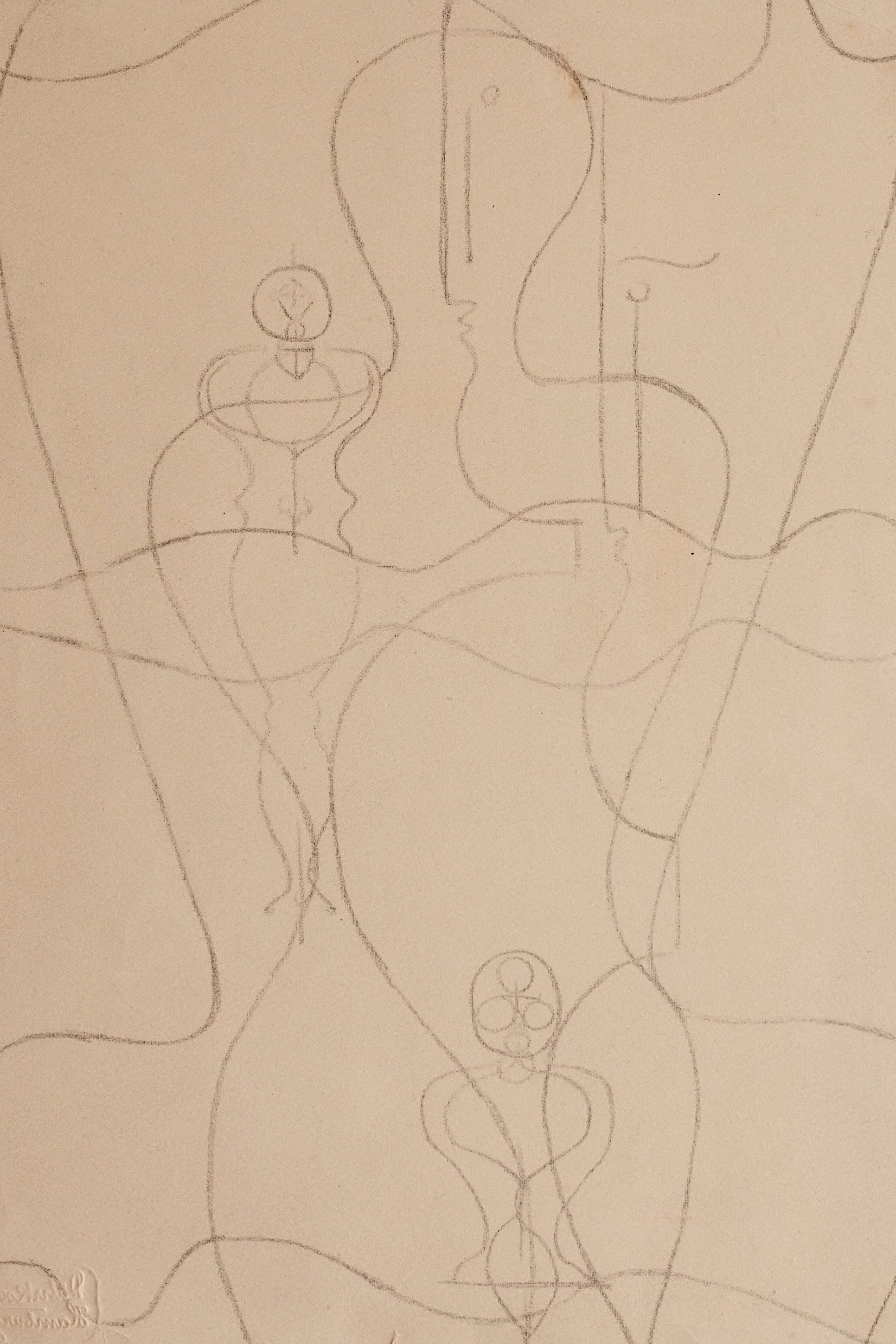 Image 3 of 8
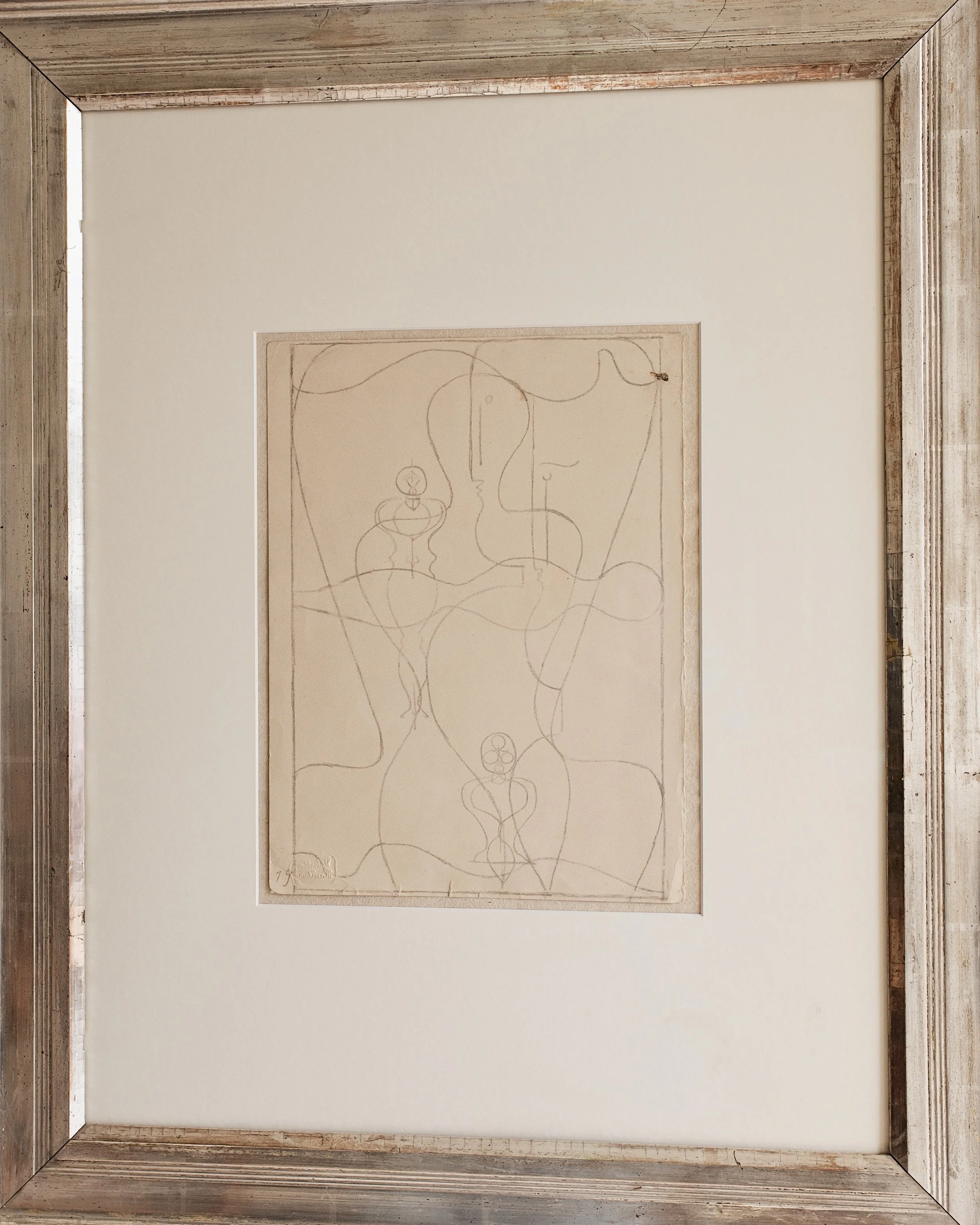 Image 4 of 8
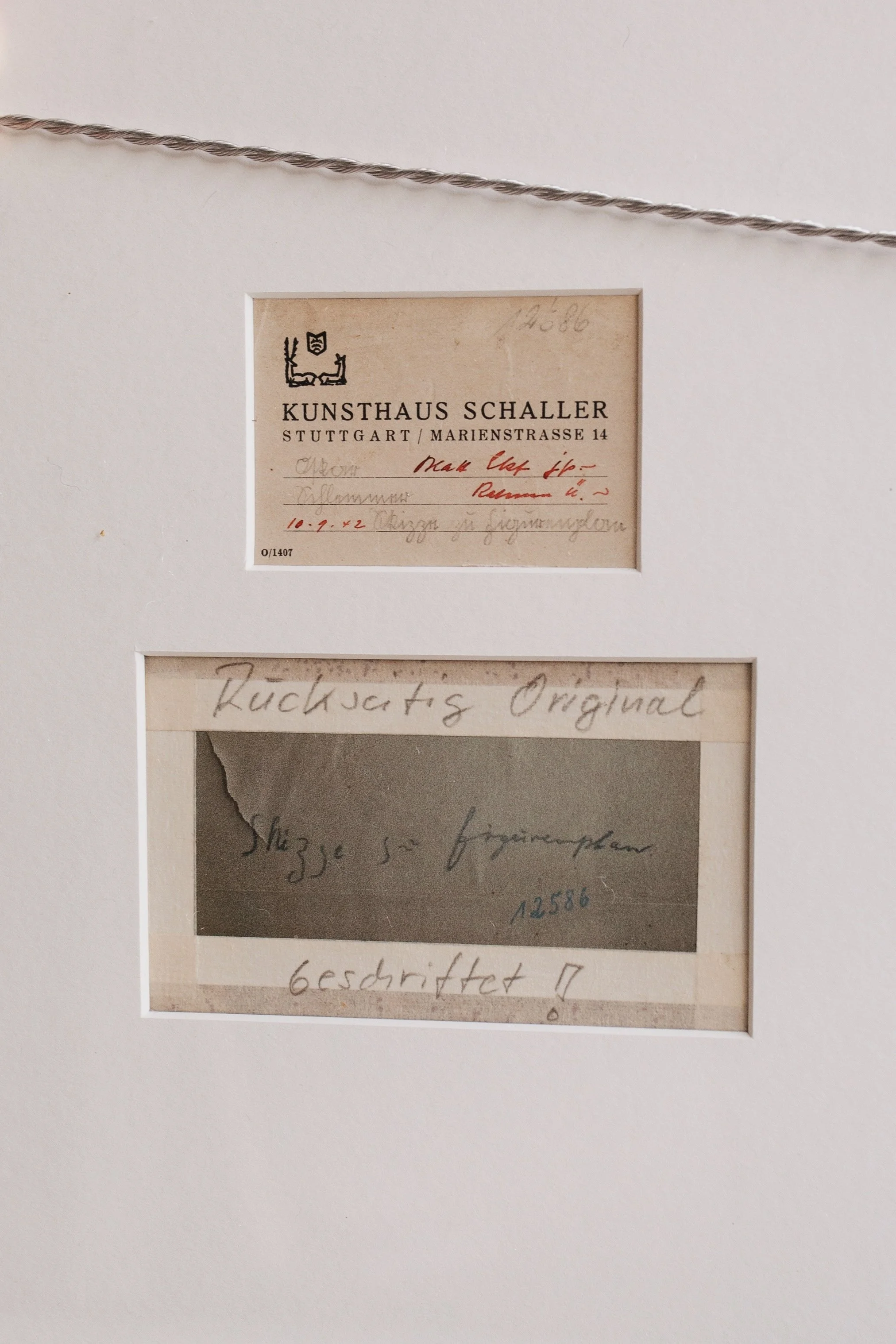 Image 5 of 8
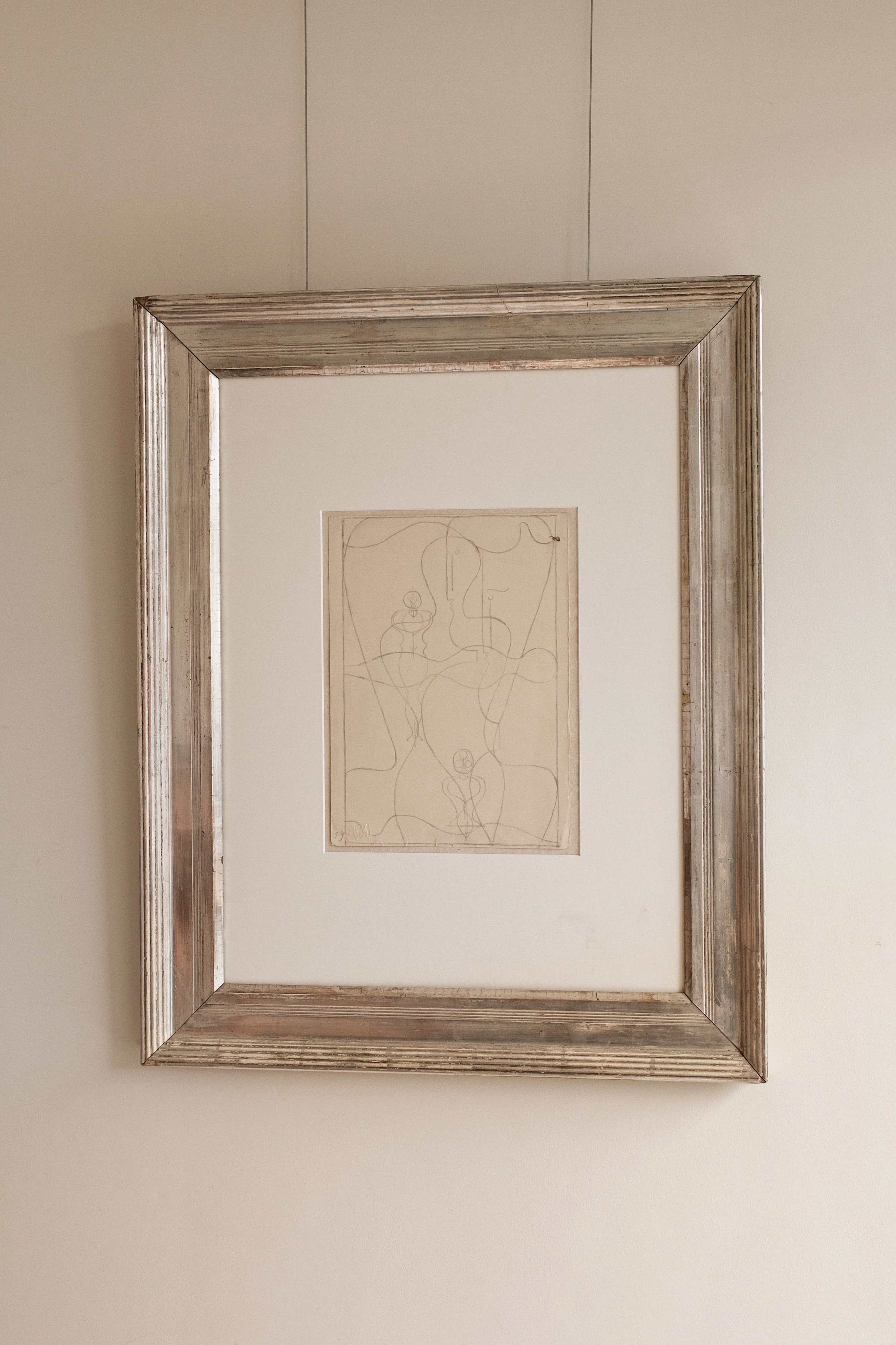 Image 6 of 8
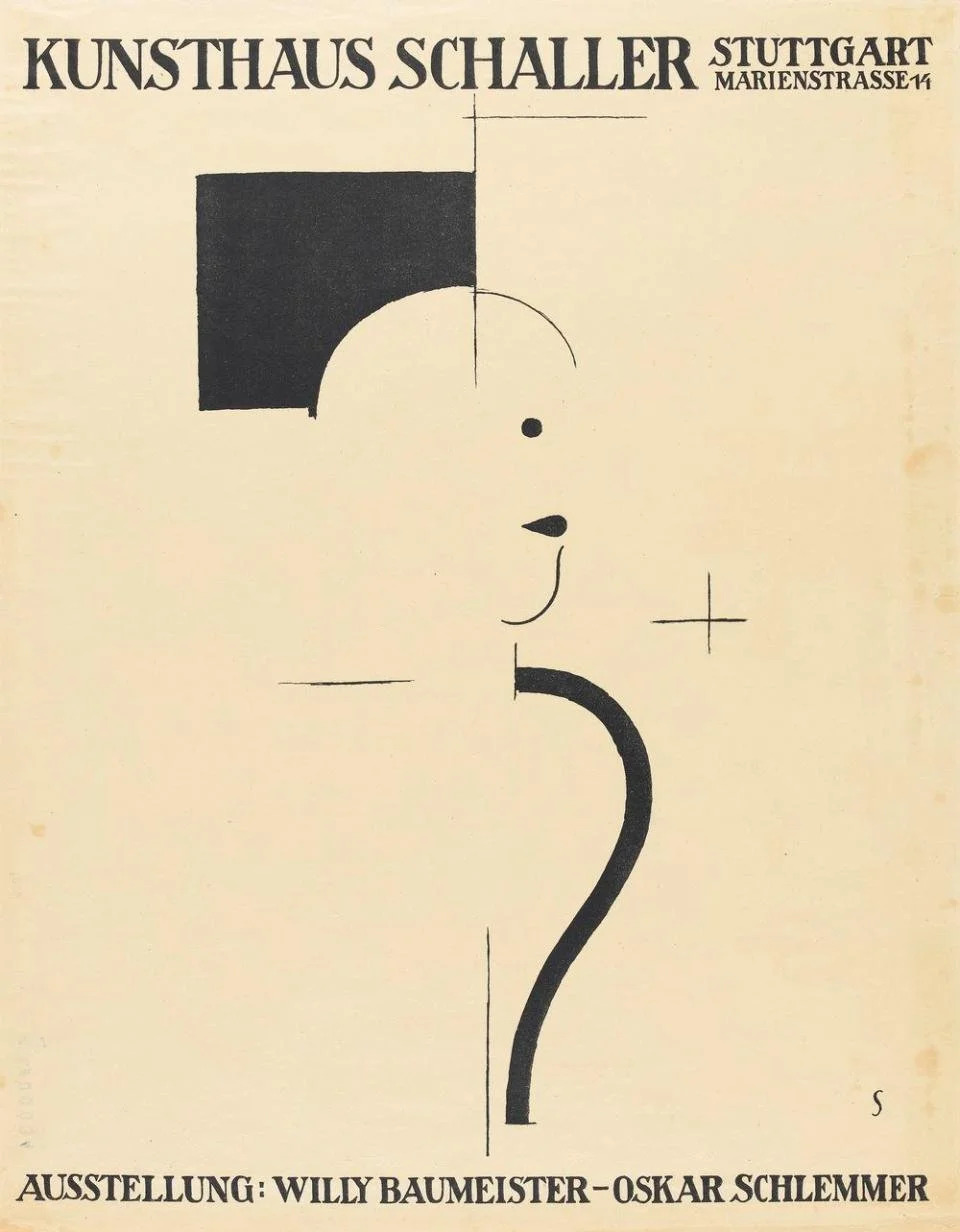 Image 7 of 8
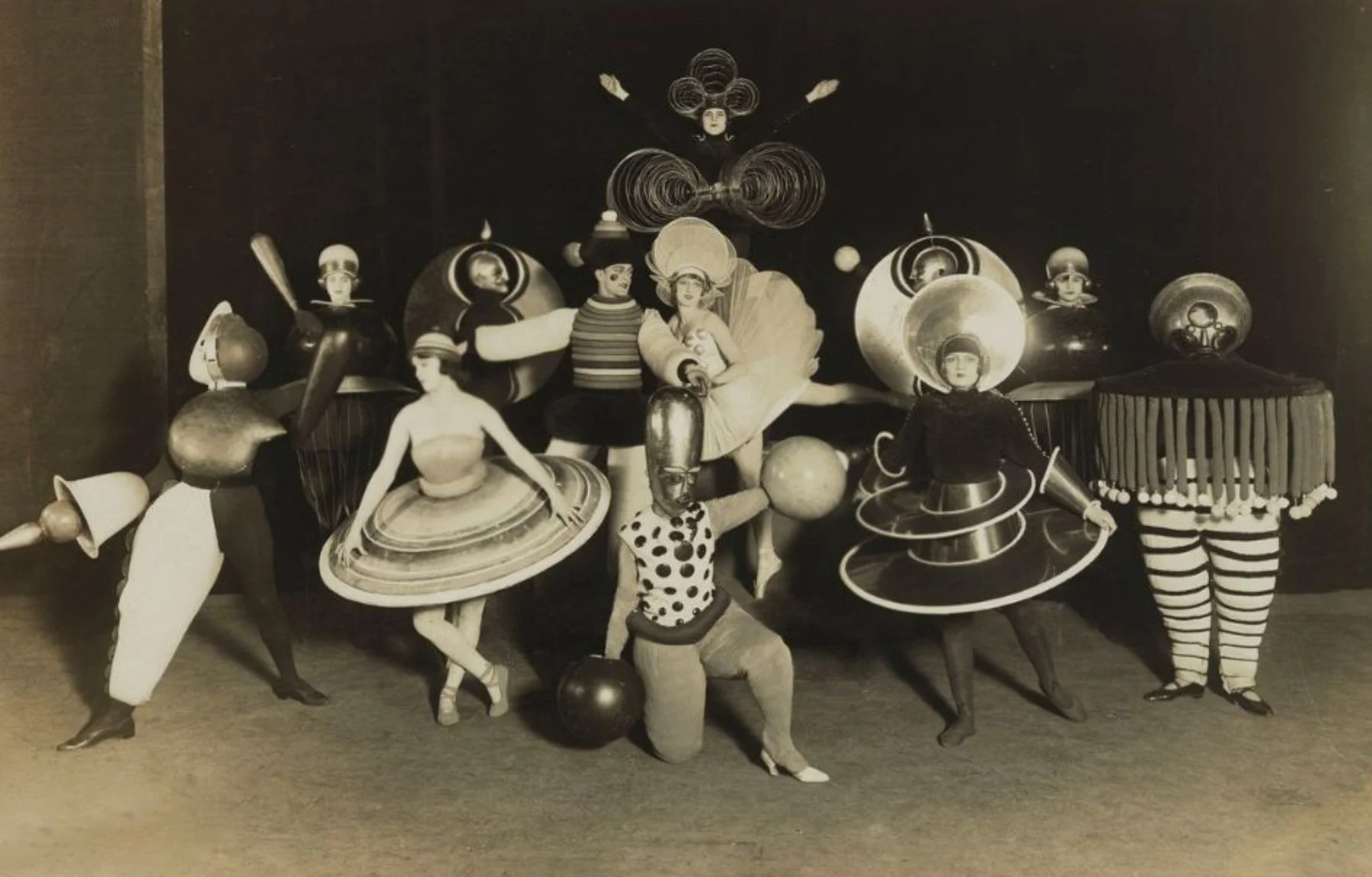 Image 8 of 8